




















Βλέπετε 65–80 από 107 αποτελέσματαSorted by popularity

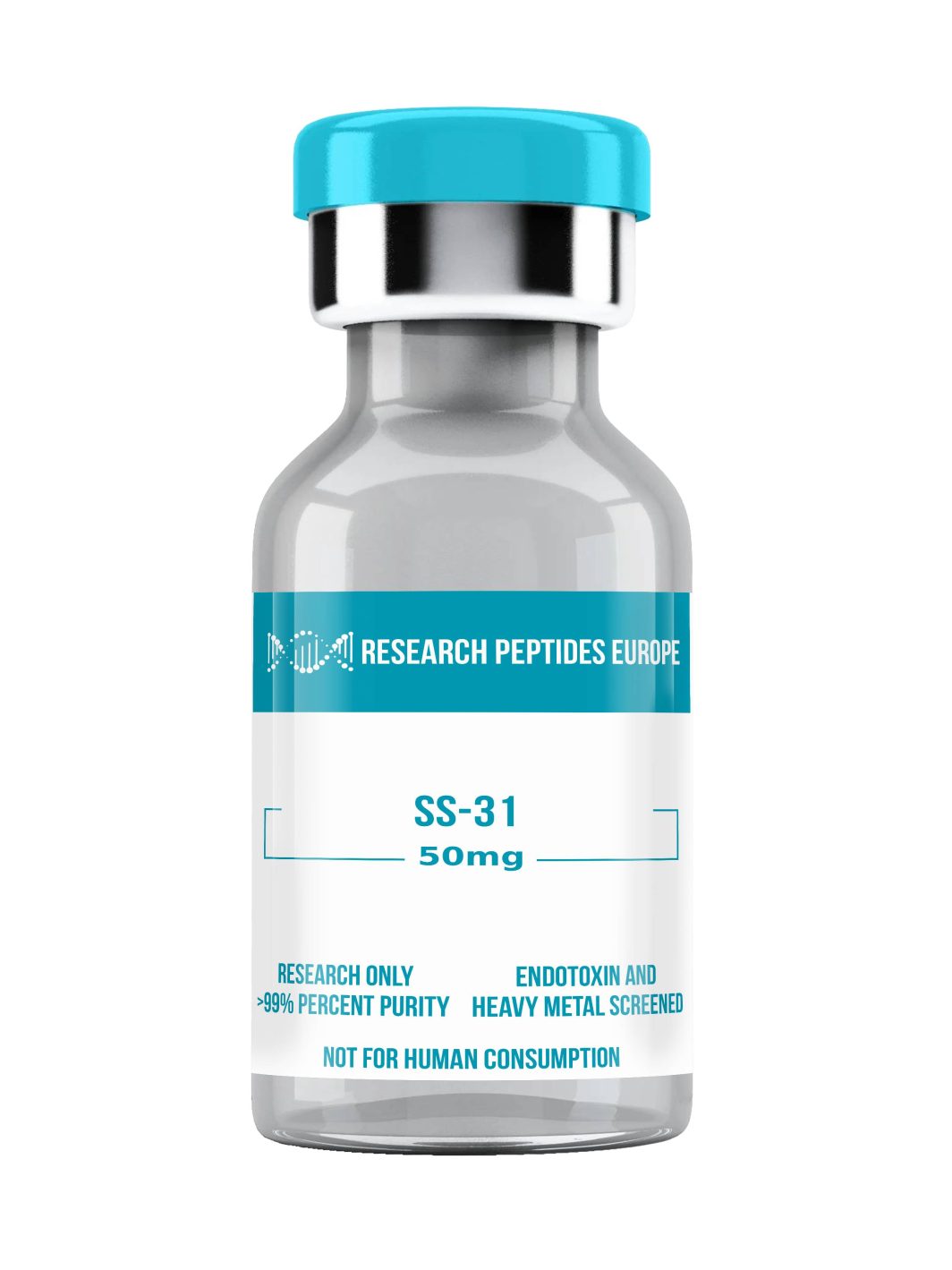
SS-31 (Elamipretide) 50mg

179.99 €

SS-31 (Elamipretide) 50mg

SS-31 is a highly specialised peptide studied for its unique ability to interact with the inner mitochondrial membrane. By selectively binding to cardiolipin, SS-31 supports research into mitochondrial stability, cellular energy production, and oxidative balance. Its precision targeting makes it an important compound for investigators exploring bioenergetic pathways and cellular resilience.

SS-31 (Elamipretide) 10mg is frequently examined in models where mitochondrial stress or reduced bioenergetic capacity are of particular interest. Its small tetrapeptide structure allows rapid cellular penetration, making it suitable for studies assessing mitochondrial optimising agents, protective pathways, and mechanisms that influence cellular resilience under oxidative or metabolic load. Due to its targeted interaction with cardiolipin, SS-31 is often chosen for research into mitochondrial dynamics, membrane potential, and age-associated mitochondrial decline.

Key Features:

• Mitochondria-Targeting peptide – Selectively binds cardiolipin to support studies on mitochondrial structure and function
• Bioenergetic Insight – Used to examine ATP production, oxidative stress mechanisms, and electron transport chain efficiency
• Cellular Stability Focus – Enables research into membrane integrity and metabolic resilience under controlled laboratory conditions
• Research Only – Intended for qualified professionals conducting advanced scientific investigation


SS-31 (Elamipretide) 50mg 
CAS Number 127946-89-4
Molar Mass 639.80 g/mol
Molecular Formula C32H49N9O5
Sequence H-DArg-Tyr(2,6-diMe)-Lys-Phe-NH₂

⚠️ Research Use Only Disclaimer

All products featured on this site are intended solely for research purposes and are not for human or veterinary consumption under any circumstances. These materials are not classified as drugs, food products, cosmetics, or medicinal items.

By purchasing, the buyer accepts full responsibility for the safe handling, storage, and use of the compound, and confirms that they are a qualified professional conducting legitimate scientific work. Neither the distributor, manufacturer, nor seller shall be held liable for any misuse or outcome related to the use of this research material.

By completing your order, you confirm that:

  • You are over 18

  • You understand and accept our [Terms & Conditions]

  • You agree to handle all products in compliance with all applicable laws and safety standards.
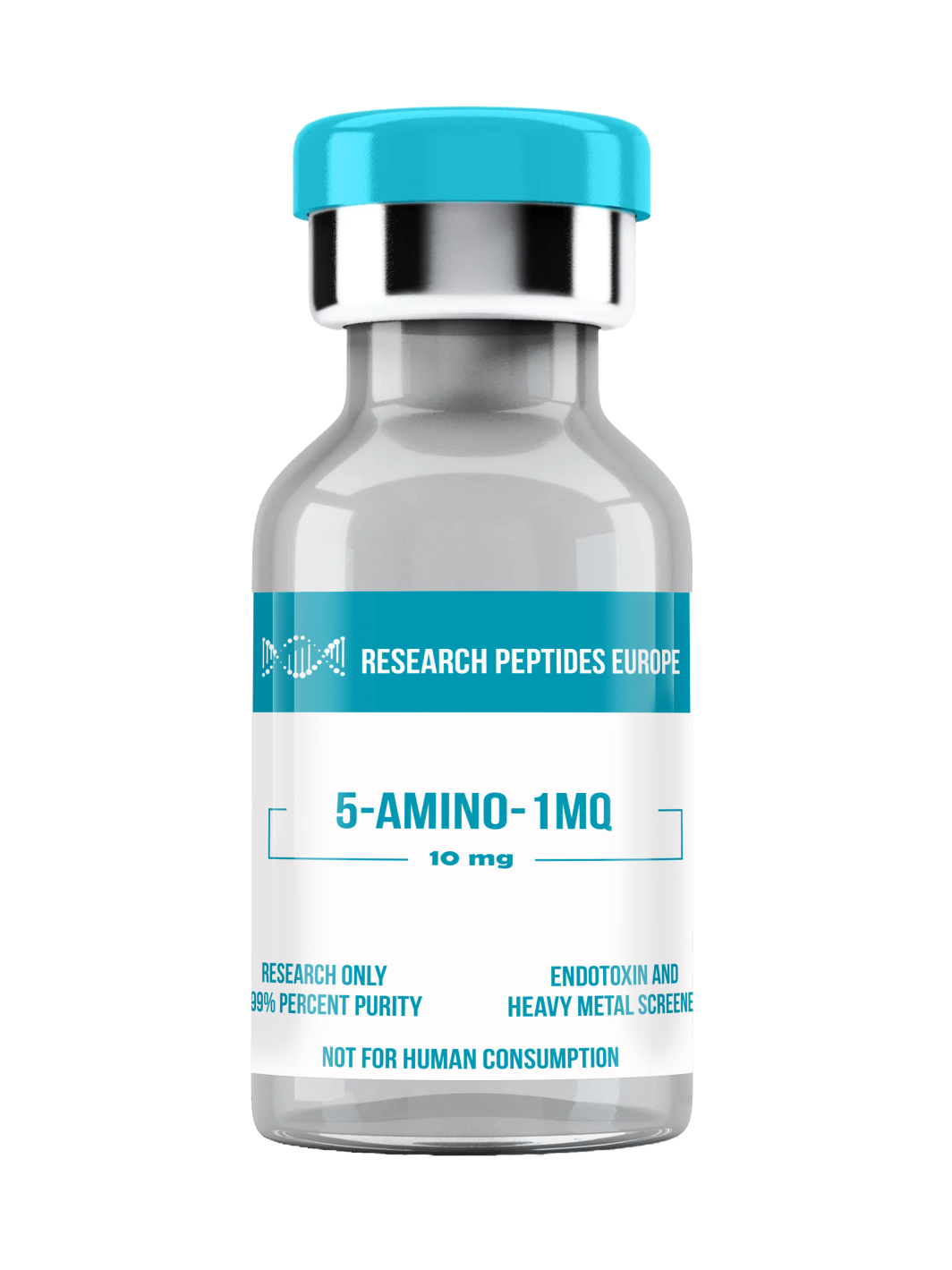
 

5-Αμινο-1MQ 10mg 

34.99 €

5-Αμινο-1MQ 10mg 

5-Amino-1MQ 10mg is a synthetic small-molecule compound studied for its interaction with NNMT (nicotinamide N-methyltransferase), an enzyme involved in several cellular and metabolic pathways. Its structure enables researchers to explore biochemical processes influenced by NNMT activity, making 5-Amino-1MQ 10mg a valuable tool in enzyme-focused and metabolic research.

This compound is not naturally occurring and is produced through controlled laboratory synthesis. Its targeted behaviour has made it of interest in studies investigating cellular energetics, enzymatic regulation, and responses to metabolic stress in in-vitro environments.


Key Features

• NNMT-Targeted Molecule – Used to support studies involving nicotinamide N-methyltransferase pathways
• Metabolic Mechanism Insight – Suitable for analysing enzyme-linked metabolic processes
• Cellular Stress Models – Selected for research involving oxidative or metabolic challenge
• High Research Purity – Supplied as a lyophilised solid suitable for controlled laboratory use
• Research Only – Intended for qualified professionals conducting scientific investigation

Research Context

In controlled laboratory settings, 5-Amino-1MQ 10mg is used to explore:

• Enzyme-regulated biochemical pathways
• Cellular responses to altered NNMT activity
• Mechanisms associated with oxidative balance
• Metabolic stress models
• Gene-regulated signalling changes in vitro

Its compact molecular structure enables efficient cell penetration, making it suitable for research requiring intracellular access and precise enzymatic targeting.


5-Αμινο-1MQ 10mg 

CAS Number 69655-05-6
Molar Mass 302.11 g/mol
Molecular Formula C₁₀H₁₁N₂I
Chemical Name  5-Amino-1-methylquinolinium iodide

⚠️ Research Use Only Disclaimer

All products featured on this site are intended solely for research purposes and are not for human or veterinary consumption under any circumstances. These materials are not classified as drugs, food products, cosmetics, or medicinal items.

By purchasing, the buyer accepts full responsibility for the safe handling, storage, and use of the compound, and confirms that they are a qualified professional conducting legitimate scientific work. Neither the distributor, manufacturer, nor seller shall be held liable for any misuse or outcome related to the use of this research material.

By completing your order, you confirm that:

  • You are over 18

  • You understand and accept our [Terms & Conditions]

  • You agree to handle all products in compliance with all applicable laws and safety standards.
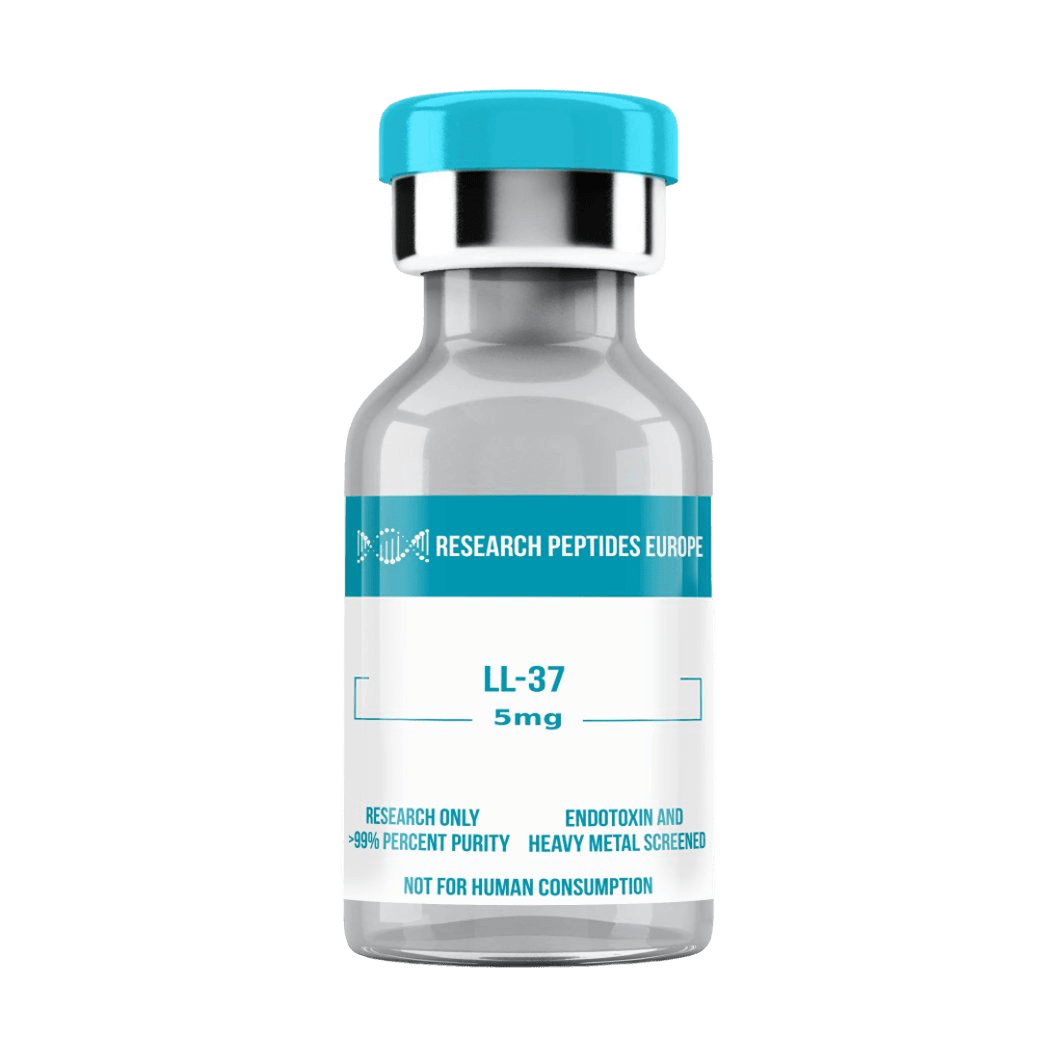
 

LL-37 5mg

39.99 €


LL-37 5mg is a highly specialised antimicrobial peptide from the cathelicidin family, researched for its broad-spectrum activity against bacteria, viruses, and fungi. By mimicking innate immune responses, LL-37 supports studies on membrane disruption, immune modulation, and wound healing processes. Its amphipathic alpha-helical structure makes it a key compound for investigators exploring host defence mechanisms and anti-infective strategies.

LL-37 5mg is frequently examined in models of microbial infection, inflammation, or tissue repair. Its 37-amino-acid sequence enables rapid interaction with lipid membranes, making it suitable for research into antimicrobial resistance, angiogenesis promotion, and chemokine induction under stress conditions. Due to its multifunctional properties, LL-37 is often selected for studies on epithelial barrier function, endotoxin neutralisation, and immune cell recruitment in various disease contexts.

Key Features

  • Antimicrobial Action – Targets microbial membranes to support studies on bacterial killing and biofilm disruption

  • Immune Modulation – Used to examine chemokine release, angiogenesis, and wound repair mechanisms

  • Multifunctional peptide – Enables research into inflammation control, viral inhibition, and cellular signalling

  • Research Only – Intended for qualified professionals conducting advanced scientific investigation


LL-37 5mg
CAS Number 154947-66-7
Molar Mass 4493 g/mol
Molecular Formula C<sub>205</sub>H<sub>340</sub>N<sub>60</sub>O<sub>53</sub>
Sequence LLGDFFRKSKEKIGKEFKRIVQRIKDFLRNLVPRTES

⚠️ Research Use Only Disclaimer

All products featured on this site are intended solely for research purposes and are not for human or veterinary consumption under any circumstances. These materials are not classified as drugs, food products, cosmetics, or medicinal items.

By purchasing, the buyer accepts full responsibility for the safe handling, storage, and use of the compound, and confirms that they are a qualified professional conducting legitimate scientific work. Neither the distributor, manufacturer, nor seller shall be held liable for any misuse or outcome related to the use of this research material.

By completing your order, you confirm that:

  • You are over 18

  • You understand and accept our [Terms & Conditions]

  • You agree to handle all products in compliance with all applicable laws and safety standards.
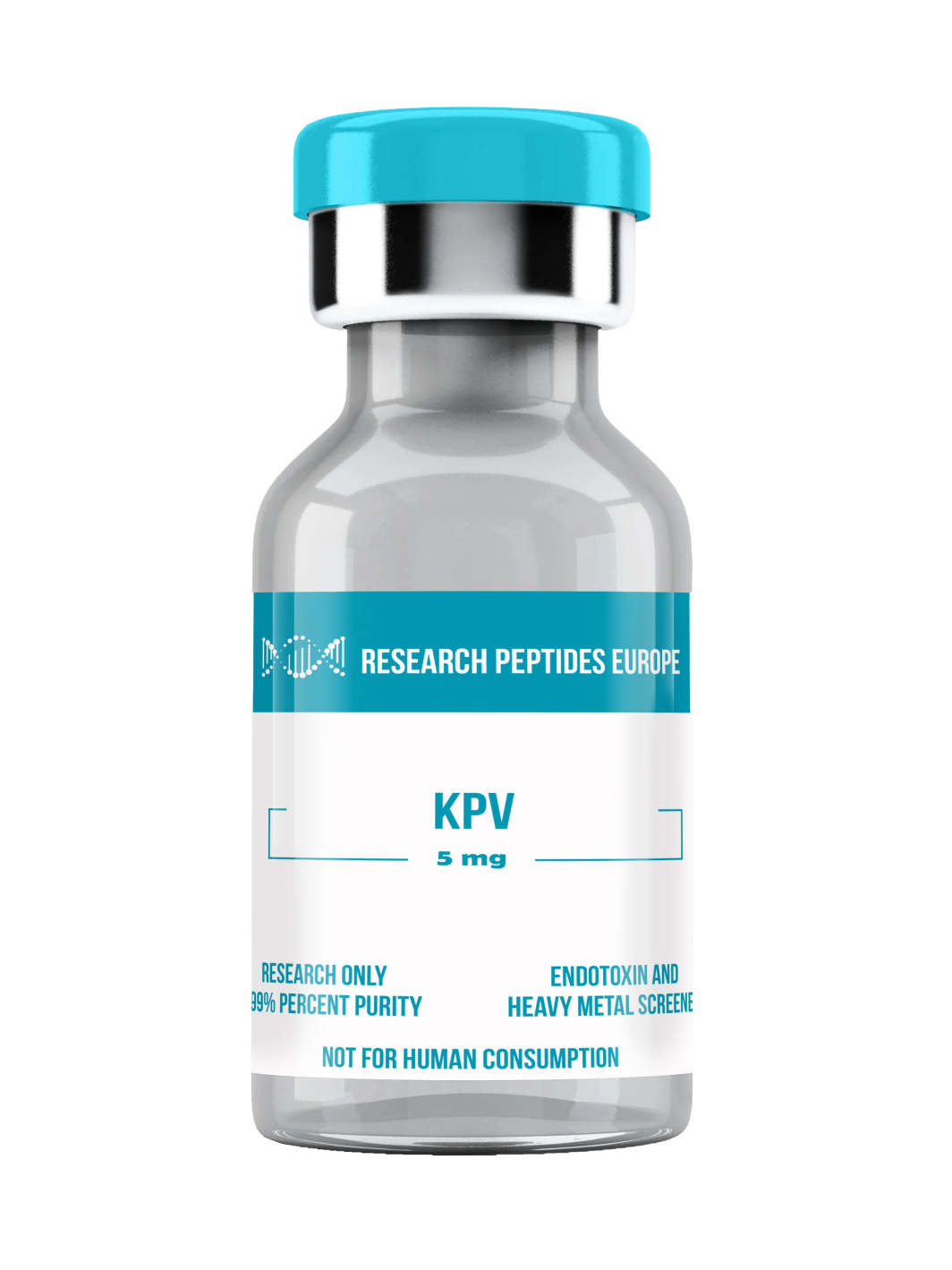
 

KPV 5mg

26.99 €

KPV 5mg 

What is KPV 5mg?

KPV 5mg is a tripeptide fragment (Lys-Pro-Val) derived from the larger α-MSH peptide. It has gained increasing interest in research for its notable anti-inflammatory, gut-protective, and skin-modulating properties. Researchers value KPV for its ability to influence pathways associated with inflammation, immune balance, and epithelial repair.


Key Benefits and Applications of KPV 5mg:

Anti-Inflammatory Activity

KPV is widely recognised for its strong anti-inflammatory potential. Research indicates that it can reduce inflammatory cytokines and calm localised tissue irritation, making it a valuable peptide for studies involving inflammation-driven conditions.

Gut Barrier Protection

One of the most studied areas for KPV is its effect on the intestinal lining. It may help support epithelial integrity, tighten the gut barrier, and modulate inflammatory processes within the gastrointestinal tract. This makes it highly relevant for research on gut inflammation and barrier dysfunction.

Skin Healing & Epithelial Support

KPV has shown promise in research relating to skin repair, wound healing, and irritation reduction. It may support healthier epithelial responses and aid in recovery from surface-level inflammation.

Immune Modulation

Emerging data suggests that KPV may help modulate immune activity, supporting balanced immune responses and reducing unnecessary inflammatory signalling.

Anti-Microbial Potential

Some studies indicate that KPV may demonstrate antimicrobial effects against certain bacteria, adding further interest for researchers investigating protective or restorative mechanisms.


How Does KPV Work?

KPV interacts with melanocortin receptors and inflammatory signalling pathways. It is believed to reduce pro-inflammatory cytokines, support epithelial cell stability, and improve tissue recovery responses. These mechanisms make KPV a compelling candidate for research on inflammation, gut health, immune modulation, and epithelial repair.


KPV 5mg

CAS Number

67727-97-3

Molar Mass  341.4 g/mol
Molecular Formula  C₁₇H₃₀N₆O₄
Sequence
Lys-Pro-Val

⚠️ Research Use Only Disclaimer

All products featured on this site are intended solely for research purposes and are not for human or veterinary consumption under any circumstances. These materials are not classified as drugs, food products, cosmetics, or medicinal items.

By purchasing, the buyer accepts full responsibility for the safe handling, storage, and use of the compound, and confirms that they are a qualified professional conducting legitimate scientific work. Neither the distributor, manufacturer, nor seller shall be held liable for any misuse or outcome related to the use of this research material.

By completing your order, you confirm that:

  • You are over 18

  • You understand and accept our [Terms & Conditions]

  • You agree to handle all products in compliance with all applicable laws and safety standards.
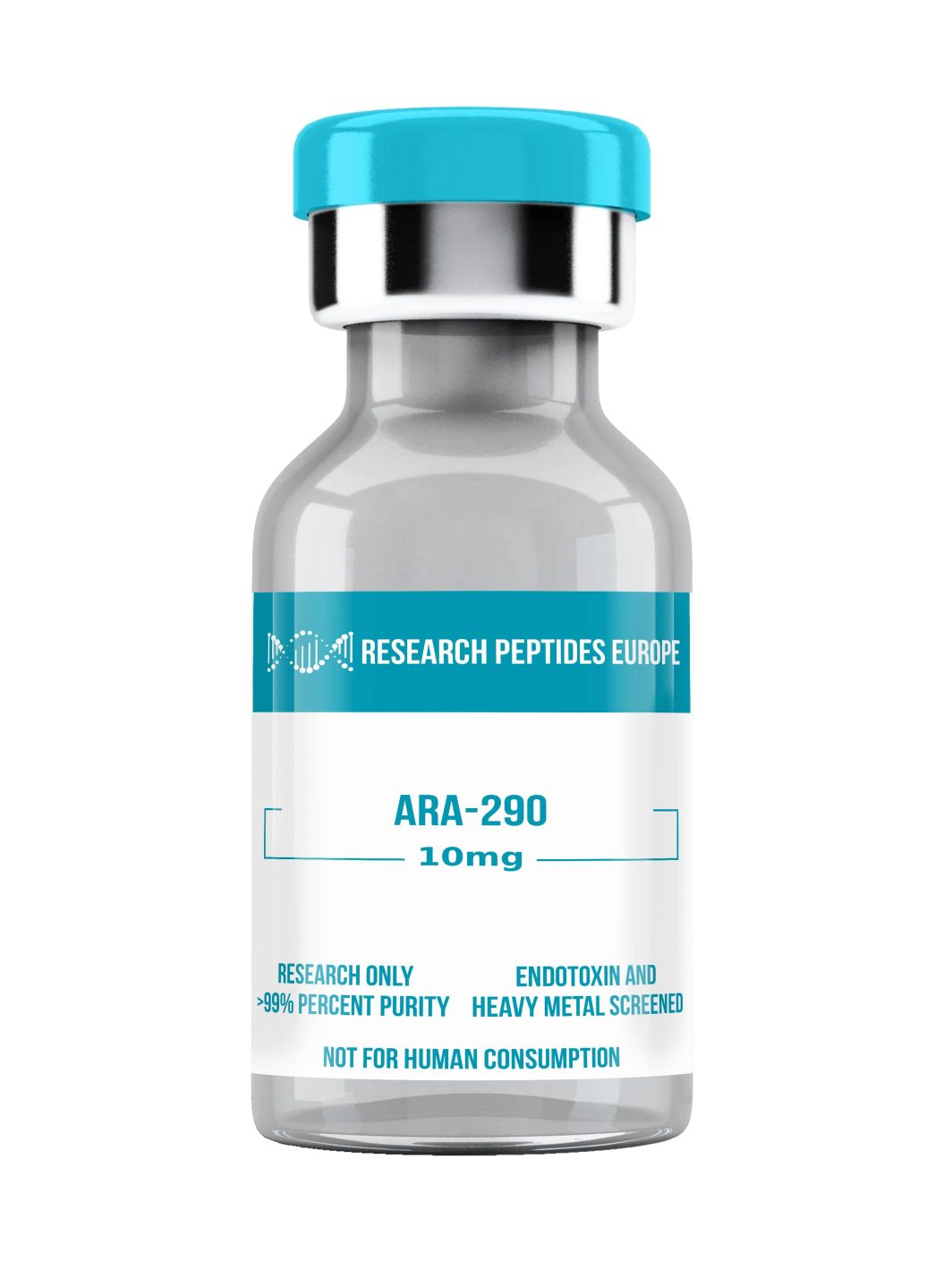
 

ARA-290 10mg

39.99 €

ARA-290 10mg

ARA-290 (Cibinetide) – Synthetic Research Peptide

ARA-290, also known as Cibinetide, is a synthetic 11-amino-acid peptide derived from the helix-B region of erythropoietin (EPO). It has been investigated in scientific research concerning peptide-mediated cellular signalling and the innate repair receptor (IRR).

Published research involving ARA-290 has explored inflammatory signalling, cellular responses to stress, tissue-protective mechanisms and neurological pathways. Its distinct peptide structure and receptor interactions have made it a compound of interest in experimental peptide and receptor-pharmacology research.

ARA-290 has also been examined in clinical research investigating several inflammatory and neurological conditions. These studies concern the investigational compound under controlled research protocols and do not establish this research product as a treatment for any disease or medical condition.


Research Use

ARA-290 is supplied exclusively as a laboratory research material for qualified professionals.

LABORATORY RESEARCH CHEMICAL ONLY

STRICTLY FOR IN VITRO LABORATORY RESEARCH.

NOT FOR HUMAN OR ANIMAL USE.

NOT FOR MEDICAL, THERAPEUTIC, DIAGNOSTIC OR CONSUMPTION PURPOSES.

No dosing, administration, reconstitution or clinical-use guidance is provided.


ARA-290 10mg

CAS Number 1208243-50-8
Molar Mass 1257.3 g/mol
Molecular Formula C₅₁H₈₄N₁₆O₂₁
Sequence pGlu-Glu-Gln-Leu-Glu-Arg-Ala-Leu-Asn-Ser-Ser

Important Reminder:
Before reconstitution, ensure both the peptide and bacteriostatic mixing water are at room temperature to support proper dissolution and avoid destabilising the compound.
Bacteriostatic mixing water sold separately.

Αρνηση

All products featured on this site are intended solely for research purposes and are not for human or animal consumption under any circumstances. These items should not be classified as drugs, foods, cosmetics, or medicinal products. By purchasing, the buyer assumes all associated risks and agrees to handle the products only as specified. Products should be administered by qualified professionals with the relevant expertise.

The distributor, manufacturer, and seller bear no responsibility for any misuse or subsequent outcomes arising from the use of these products. By completing and paying for your order, you agree to our Όροι και Προϋποθέσεις and acknowledge that you will abide by these terms.

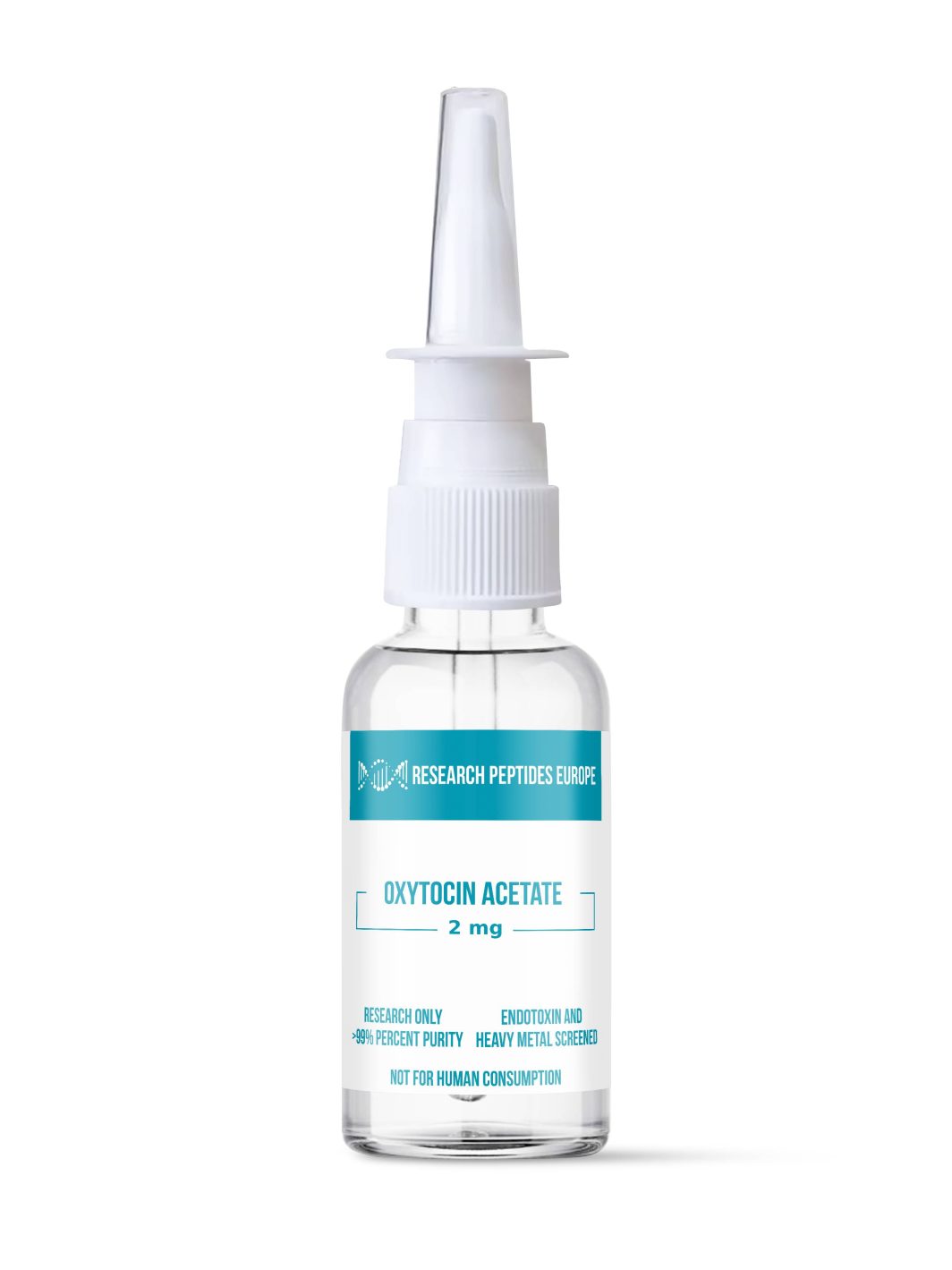
Oxytocin Acetate 2mg Nasal Spray

43.99 €

Οξική οξυτοκίνη 2 mg

Oxytocin Acetate is a synthetic analogue of the naturally occurring neuropeptide oxytocin, a nonapeptide hormone primarily produced in the hypothalamus and released by the posterior pituitary gland. This peptide is extensively studied for its role in social bonding, emotional regulation, trust, stress modulation, and reproductive physiology.

In research settings, Oxytocin Acetate has gained significant interest for investigations involving mood, anxiety, behavioural response, and interpersonal interaction pathways. Due to its rapid onset and short biological half-life, it is particularly useful for studying acute neuroendocrine and behavioural effects.

Oxytocin Acetate is frequently researched in intranasal application models because of its ability to support rapid absorption and central nervous system exposure compared to larger peptide structures. Its compact 9-amino acid sequence enables efficient transport characteristics that make it valuable for neuroscience and behavioural research.

This compound is supplied as a lyophilised research peptide with high purity and stability standards for laboratory investigation.


Oxytocin Acetate
CAS Number 50-56-6
Molar Mass 1007.19 g/mol
Molecular Formula C43H66N12O12S2
Sequence
Cys-Tyr-Ile-Gln-Asn-Cys-Pro-Leu-Gly-NH₂ (disulfide bridge between positions 1 and 6)

https://www.ncbi.nlm.nih.gov/pmc/articles/PMC3183515/


Research Applications

Oxytocin Acetate is commonly utilised in research involving:

  • Social cognition and bonding
  • Stress and anxiety response
  • Behavioural neuroscience
  • Neuroendocrine signalling
  • Hormonal pathway studies
  • Intranasal peptide delivery research

Αρνηση

All products featured on this site are intended strictly for laboratory research purposes only and are not for human or animal consumption under any circumstances.

These products are not intended to diagnose, treat, research, or prevent any disease and should not be classified as drugs, foods, cosmetics, or medicinal products.

By purchasing these products, the buyer acknowledges that all materials will be handled only by qualified professionals trained in laboratory research procedures.

The distributor, manufacturer, and seller assume no liability for misuse or improper handling of these products. By placing an order, the purchaser agrees to comply with all applicable laws, regulations, and the site’s Terms and Conditions.


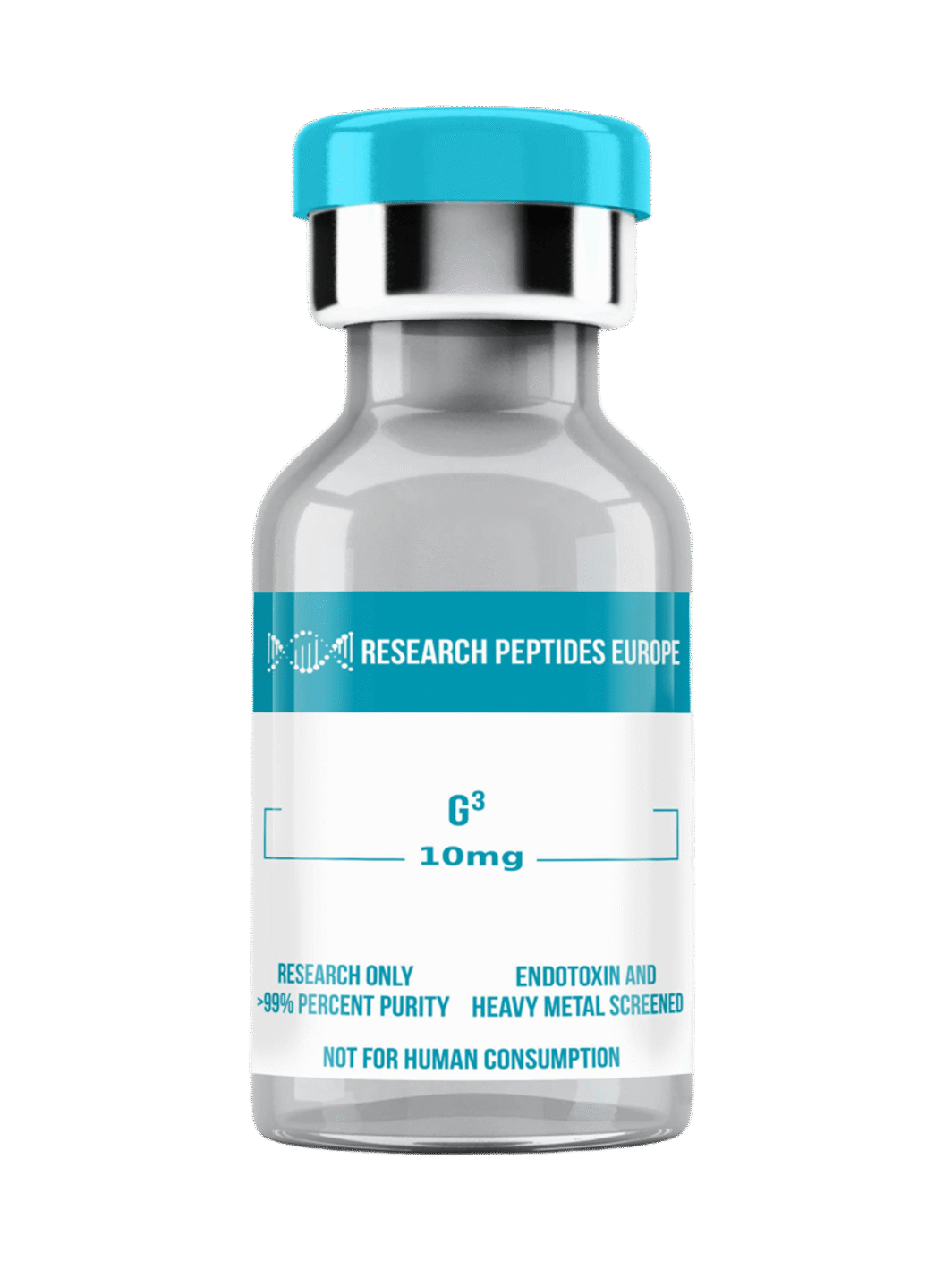
G³-Next-Generation Triple-Agonist Peptide 10mg

99.00 €
Advanced Laboratory Research

Next-Generation Triple-Agonist Peptide

An investigational synthetic peptide developed for scientific examination of multi-receptor signaling, metabolic regulation, and systemic energy balance across GIP, GLP-1, and glucagon receptor pathways.

Product Specifications

Classification

Investigational, single-molecule triple-hormone receptor agonist (GIP, GLP-1, and glucagon receptor co-agonist).

Molecular Structure

Lipidated 39-amino-acid synthetic peptide sequence engineered with specialized stabilizing residues.

Research Focus

In-vitro and in-vivo evaluation of metabolic regulation, systemic energy balance, and multi-receptor signaling pathways.

Clinical Stage

The reference investigational compound has undergone Phase III clinical evaluation. Current trial status should be verified against official clinical trial records. This does not establish clinical authorization for the research material described here.

Key Research Characteristics

01 Multi-Receptor Engagement

Simultaneously targets glucagon-like peptide-1 (GLP-1), glucose-dependent insulinotropic polypeptide (GIP), and glucagon receptors to investigate synergistic metabolic responses.

02 Metabolic & Glycemic Profiling

Designed for scientific exploration of glucose homeostasis, lipid metabolism, and energy expenditure modulation.

03 Regulatory Status

Intended strictly for laboratory, biochemical, and authorized nonclinical research applications.
This research material is not approved for human or veterinary therapeutic use.

Handling, Storage & Stability

Form
Lyophilized powder.
Short-Term Storage
Store at 2–8°C (36–46°F) for short periods, typically several weeks, subject to product-specific stability data.
Long-Term Storage
Store at -20°C (-4°F) to -80°C (-112°F), tightly sealed, desiccated, and protected from moisture and light. Storage for up to 3 years may be possible when supported by product-specific stability testing.
Temperature Management
Minimize temperature fluctuations and repeated freeze-thaw cycles to help preserve peptide integrity.
Reconstitution
Allow the sealed vial to reach room temperature before opening to minimize condensation. Reconstitute only with a validated diluent appropriate to the research protocol. Avoid vigorous agitation or vortexing.
Storage After Reconstitution
Store according to validated solution stability data. Refrigeration at 2–8°C (36–46°F) may be appropriate for certain formulations, but storage duration must be established for the specific peptide, diluent, and concentration.

Laboratory Use & Compliance Agreement

Research Use Only Disclaimer

This product is intended strictly for in-vitro laboratory research, biochemical testing, and authorized laboratory animal experimentation. It is not intended for human or veterinary consumption, clinical diagnostics, or therapeutic applications.

Terms of Purchase

By purchasing or utilizing this material, the buyer acknowledges and agrees that:

  1. The product will be handled exclusively by qualified laboratory personnel trained in the safe handling of investigational peptides.
  2. The buyer is responsible for appropriate handling, storage, experimental procedures, and compliance with applicable laws and institutional safety requirements.
  3. This product is not an approved drug, food product, or medical device and must not be administered to human subjects.
  4. All research activities must comply with applicable institutional, ethical, and regulatory requirements.
  5. Product stability, purity, identity, and expiration claims must be supported by appropriate analytical documentation and
    product-specific testing.

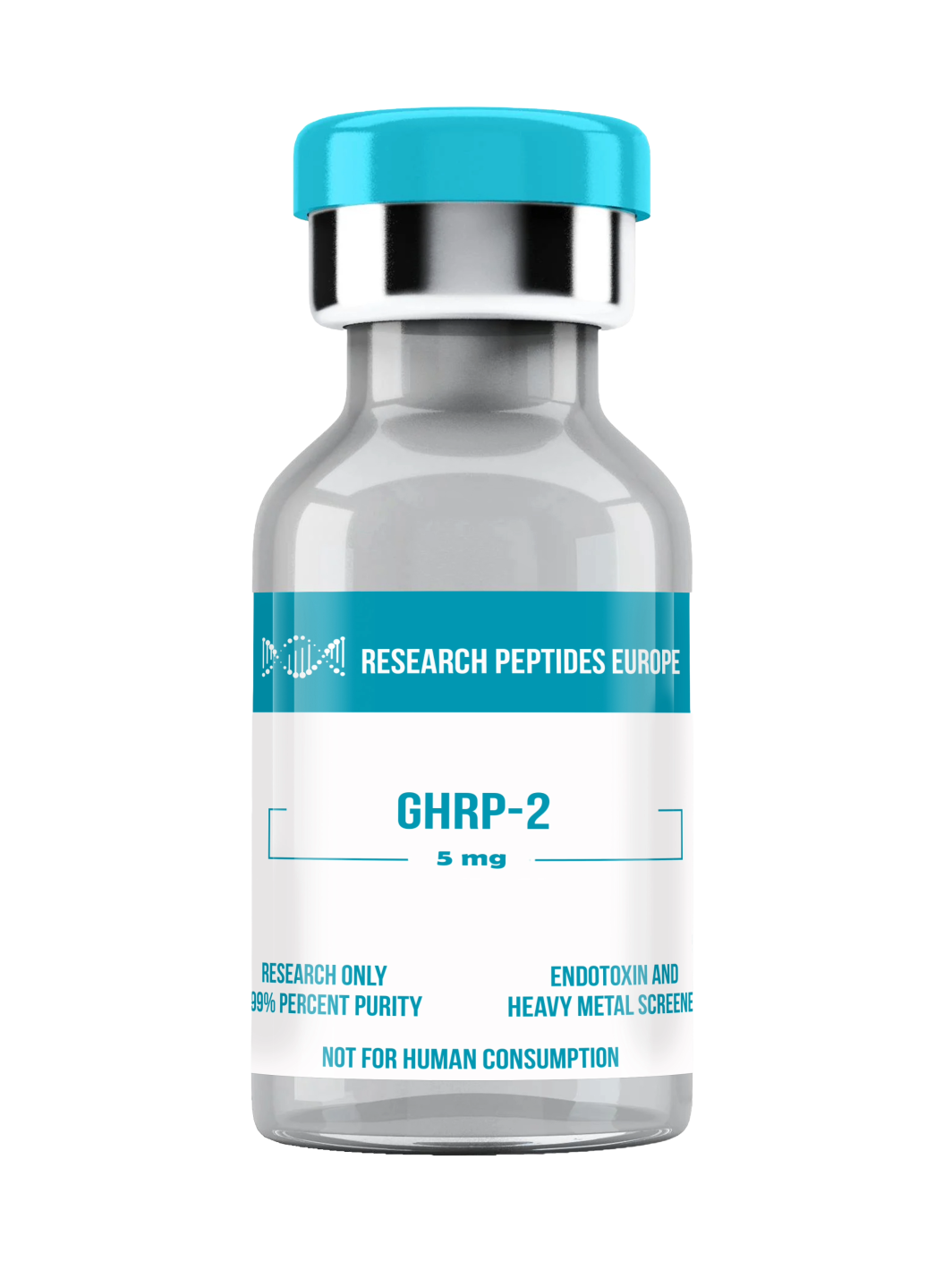
GHRP-2 5mg

24.99 €

GHRP-2 5mg


GHRP-2 (Growth Hormone-Releasing peptide-2), available in a 5mg quantity, is a premium research peptide designed for in-depth scientific studies in endocrinology and related disciplines. This peptide is suited for laboratory environments where precision and reliability are essential.

What is GHRP-2 5mg?


GHRP-2 5mg, or Growth Hormone-Releasing peptide-2, is primarily researched for its potential in addressing growth hormone deficiency. As a synthetic agonist of ghrelin, it binds to growth hormone receptors and stimulates the secretion of growth hormone, making it an effective growth hormone secretagogue.

In the pharmaceutical industry, GHRP-2 5mg is commonly known as pralmorelin, a name that is easier to recall and pronounce compared to pralmorelin hydrochloride or pralmorelin dihydrochloride.

Studies have shown that GHRP-2 5mg not only aids in the secretion of growth hormone but also influences appetite and food intake by binding to growth hormone secretagogue receptors. This synthetic peptide consists of six amino acids and is a non-glycosylated polypeptide, meaning it does not attach to glycans or proteins.

https://www.ncbi.nlm.nih.gov/pmc/articles/PMC2824650/

GHRP-2
CAS Number 158861-67-7
Molar Mass 817.97 g/mol
Chemical Formula C45H55N9O6
Sequence D-Ala-D-2-Nal-Ala-Trp-D-Phe-Lys-NH2

Important Reminder:
Before reconstitution, ensure both the peptide and bacteriostatic mixing water are at room temperature to support proper dissolution and avoid destabilising the compound.
Bacteriostatic mixing water sold separately.

Disclaimer:

All products featured on this site are intended solely for research purposes and are not for human or animal consumption under any circumstances. These items should not be classified as drugs, foods, cosmetics, or medicinal products. By purchasing, the buyer assumes all associated risks and agrees to handle the products only as specified. Products should be administered by qualified professionals with the relevant expertise.

The distributor, manufacturer, and seller bear no responsibility for any misuse or subsequent outcomes arising from the use of these products. By completing and paying for your order, you agree to our Όροι και Προϋποθέσεις and acknowledge that you will abide by these terms.

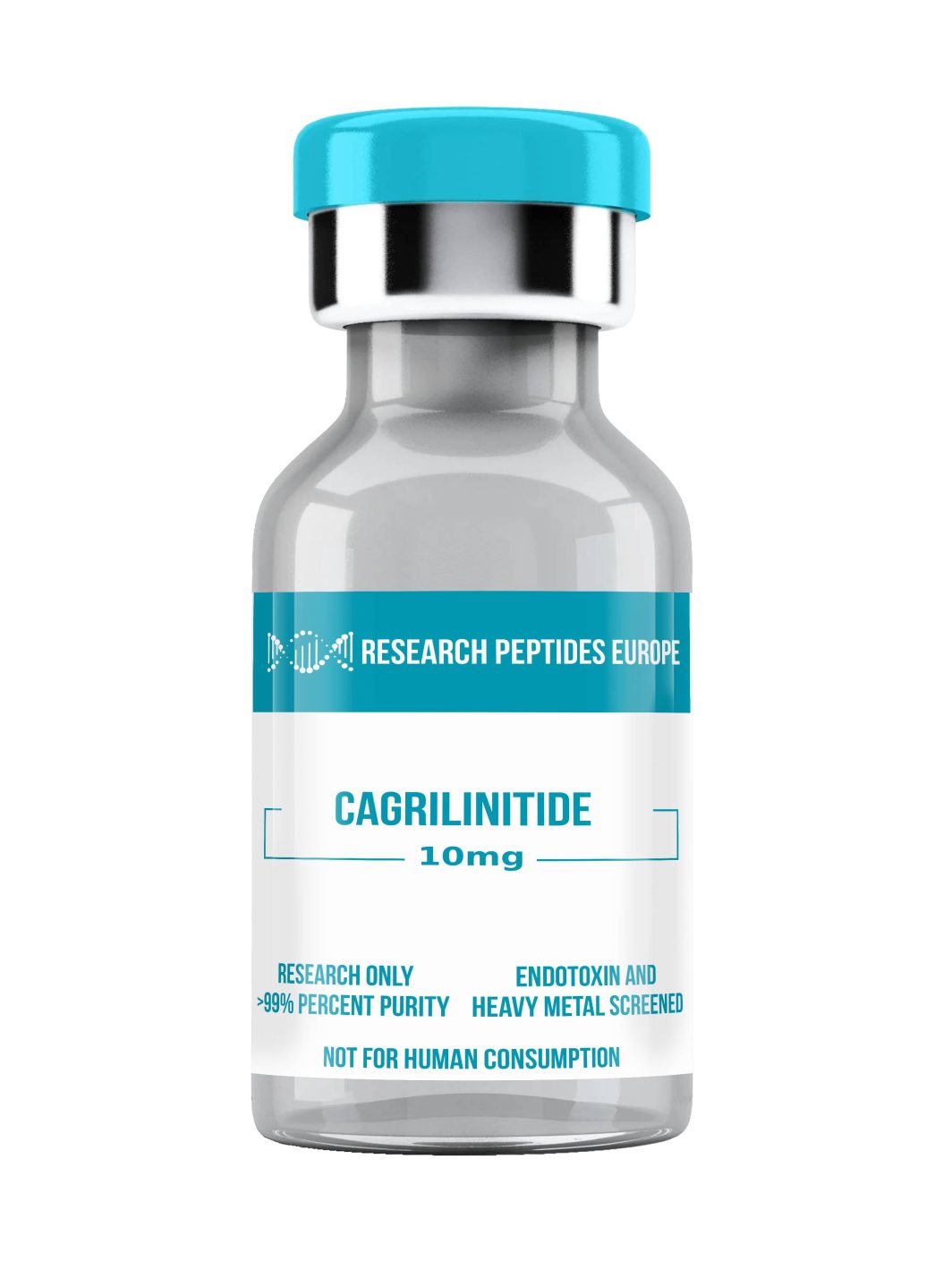
Cagrilintide 10mg

99.99 €

Cagrilintide 10mg


For research use only. Not for human or veterinary consumption.


Cagrilintide – Research peptide

Cagrilintide is a synthetic long-acting amylin analogue commonly studied in laboratory environments focused on metabolic signalling systems, peptide-receptor interactions, and regulatory pathway analysis.

This preparation contains:

  • 10mg Cagrilintide

Supplied as a high-purity lyophilised peptide, Cagrilintide is frequently referenced in controlled research settings investigating peptide-mediated signalling behaviour and metabolic communication pathways.

Its extended activity profile and stable peptide structure make it suitable for controlled analytical and experimental applications.


Product Highlights

  • 10mg high-purity Cagrilintide
  • Lyophilised research peptide formulation
  • Batch-tested for quality and consistency
  • Commonly studied in metabolic signalling research
  • Suitable for controlled laboratory applications
  • COA-supported research material

Research Overview

Within experimental laboratory environments, Cagrilintide is commonly investigated for its interaction with:

  • Appetite and satiety signalling pathways
  • Metabolic regulatory systems
  • peptide-receptor interaction mechanisms
  • Gastric signalling dynamics
  • Endocrine communication pathways
  • Long-acting peptide signalling behaviour

Researchers frequently utilize Cagrilintide in experimental models designed to examine peptide-mediated metabolic communication systems and regulatory signalling processes.


Compound Information

Cagrilintide is a synthetic peptide analogue developed for biochemical and molecular research applications. Due to its defined molecular structure and prolonged activity profile, it is widely referenced in controlled laboratory investigations involving metabolic pathway analysis and peptide signalling research.

Its analytical stability and peptide profile make it suitable for comparative peptide studies and receptor interaction modelling within standardized laboratory environments.


Purity & Quality

Each batch undergoes analytical verification to confirm:

  • Compound identity
  • peptide purity
  • Batch consistency
  • Sterility standards
  • Endotoxin control
  • Research-grade quality assurance

Independent testing supports traceability and consistency across production batches.

COA documentation is available where applicable.


Storage & Handling

  • Supplied as a lyophilised powder
  • Store refrigerated at 2–8°C after reconstitution
  • Intended for qualified laboratory handling only
  • Reconstitute using appropriate laboratory-grade solution

Package Contents

  • 1 × Research vial containing:
    • 10mg Cagrilintide

Important Disclaimer

This product is intended strictly for laboratory and scientific research purposes only.

  • Not for human consumption
  • Not for medical or veterinary use
  • Not intended to diagnose, treat, research, or prevent disease
  • Purchase only if qualified to handle compounds

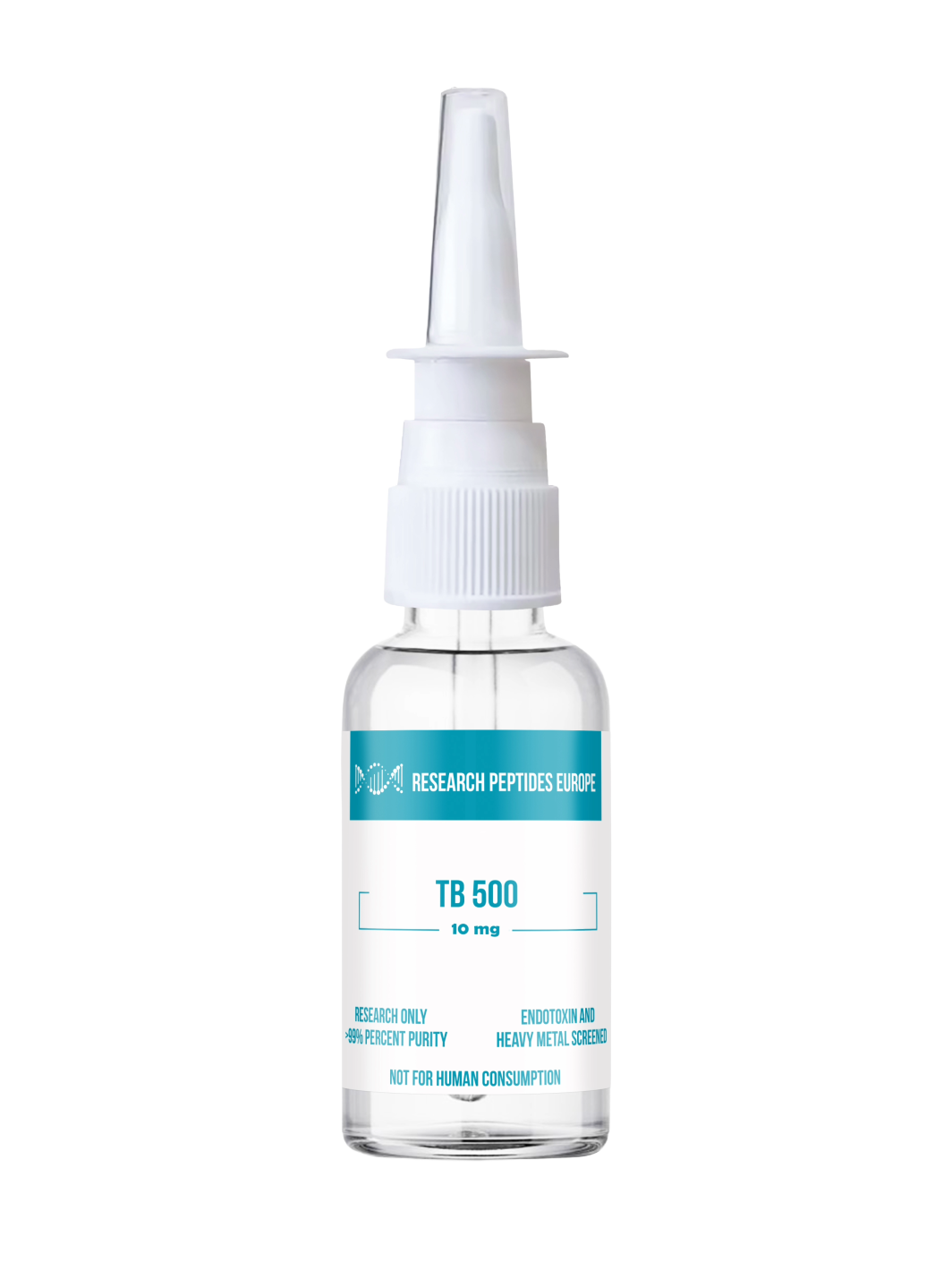
Ρινικό σπρέι TB 500 10mg

63.99 €

TB-500 10mg Nasal Spray

Each nasal spray comes complete with everything you need for immediate use, including a glass nasal sprayer and sterile bacteriostatic water to reconstitute the lyophilised peptide and keep it fresh for your research. Once reconstituted, the solution should be stored refrigerated and is typically suitable for research use for up to 30 days.

If you are making multiple purchases, you may not need a spray bottle with every vial. In this case, please feel free to contact us at

info@researchpeptideseurope.com
, and we will be glad to assist you.

TB-500 (Thymosin Beta‑4) is a 43 amino acid peptide sequence. In animal models, Thymosin Beta‑4 has been shown to improve blood vessel growth, regulate wound healing, decrease inflammation, and reduce oxidative damage in the heart and central nervous system. Thymosin‑beta‑4 has a role in protection, tissue repair, regeneration and remodeling of injured or damaged tissues. It is also of active interest in anti‑ageing research.

TB-500
CAS Number 885340-08-9
Molar Mass 890 g/mol
Molecular Formula C38H67N9O15
Sequence Ac-Ser-Asp-Lys-Pro-Asp-Met-Ala-Glu-Ile-Glu-Lys-Phe-Asp-Lys-Leu-Glu-Glu-Ser-His-Gly-Asp-Thr-Lys-Thr-Gly-Asp-Lys-Pro-Lys-Lys-Gly-Glu-Ile-Glu-Gly-OH

TB-500 and Rheumatoid Arthritis

A 2017 study explored the rationale and clinical reasons for considering Thymosin Beta‑4 (TB‑500) as a potential treatment for rheumatoid arthritis (RA). The research found elevated levels of TB‑4 in both serum and joint fluid of RA patients.

In summary, the impact of increased TB‑4 expression in serum and joint fluid on rheumatoid arthritis patients—whether it is advantageous or detrimental—has yet to be fully determined.

TB-500 and Wound Healing

Research presented at the 7th International Congress of Allergy and Immunology highlights that Thymosin Beta‑4 (TB‑500) significantly speeds up wound healing in the eye. This effect is achieved through enhanced epithelial migration and reduced inflammation, both of which are crucial for faster and more effective healing.

Additionally, another study indicates that recombinant TB‑4 promotes the healing of full‑thickness skin wounds in mice. Treatment with Thymosin Beta‑4 led to increased re‑epithelialization and substantial capillary growth, further supporting its role in wound repair.


https://pubmed.ncbi.nlm.nih.gov/6863931/


Disclaimer:

All products featured on this site are intended solely for research purposes and are not for human or animal consumption under any circumstances. These items should not be classified as drugs, foods, cosmetics, or medicinal products. By purchasing, the buyer assumes all associated risks and agrees to handle the products only as specified. Products should be administered by qualified professionals with the relevant expertise.

The distributor, manufacturer, and seller bear no responsibility for any misuse or subsequent outcomes arising from the use of these products. By completing and paying for your order, you agree to our Όροι και Προϋποθέσεις and acknowledge that you will abide by these terms.

By completing your order, you confirm that:
• You are over 18
• You understand and accept our Terms & Conditions
• You agree to handle all products in compliance with all applicable laws and safety standards.
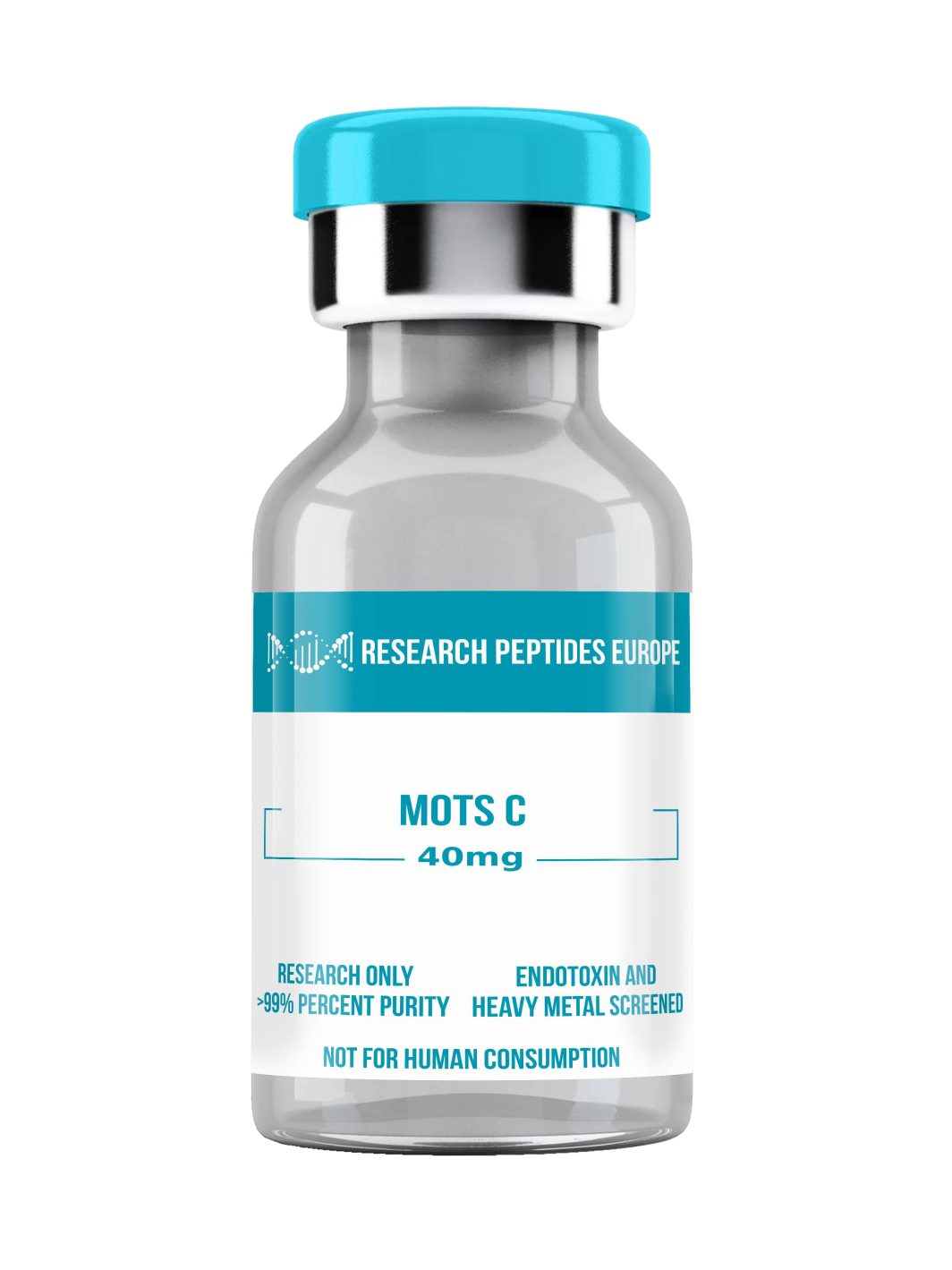
MOTS-C 40mg

159.99 €

MOTS-C 40mg

MOTS-c 40mg, a peptide derived from mitochondria, offers numerous health benefits. It aids in maintaining a healthy metabolism and has been associated with increased longevity. Additionally, MOTS-c shows promise in improving physical performance, reducing weight management, combating insulin resistance, and addressing various disease pathways, including osteoporosis. The diverse positive effects of MOTS-c make it an intriguing area of research with potential implications for enhancing overall well-being.

What is MOTS-c ?

MOTS-c 40mg is a peptide composed of 16 amino acids and is encoded by the mitochondrial genome. It is present in various tissues, including skeletal muscle, and circulates throughout the body. Research indicates that while plasma MOTS-c levels decrease with age, levels within muscle tissue increase.

MOTS-c 40mg has been demonstrated to regulate nuclear gene expression, fat metabolism, and glucose uptake. Studies have also shown that it enhances metabolic response, promotes the differentiation of bone marrow stem cells, and combats diet-induced insulin resistance.

Unlike other endogenous peptides like DSIP, MOTS-c cannot cross the blood-brain barrier. However, preclinical studies have shown it can reduce inflammation-related memory issues. In mice, MOTS-c was found to provide protection against AB42 and LPS-induced inflammation.

https://www.ncbi.nlm.nih.gov/pmc/articles/PMC9905433/

MOTS-c
CAS Number 1627580-64-6
Molar Mass 2174.7 g/mol
Molecular  Structure C101H152N28O22S2
Sequence H-Met-Arg-Trp-Gln-Glu-Met-Gly-Tyr-Ile-Phe-Tyr-Pro-Arg-Lys-Leu-Arg-OH

Important Reminder:
Before reconstitution, ensure both the peptide and bacteriostatic mixing water are at room temperature to support proper dissolution and avoid destabilising the compound.
Bacteriostatic mixing water sold separately.

Disclaimer:

All products featured on this site are intended solely for research purposes and are not for human or animal consumption under any circumstances. These items should not be classified as drugs, foods, cosmetics, or medicinal products. By purchasing, the buyer assumes all associated risks and agrees to handle the products only as specified. Products should be administered by qualified professionals with the relevant expertise.

The distributor, manufacturer, and seller bear no responsibility for any misuse or subsequent outcomes arising from the use of these products. By completing and paying for your order, you agree to our Όροι και Προϋποθέσεις and acknowledge that you will abide by these terms.

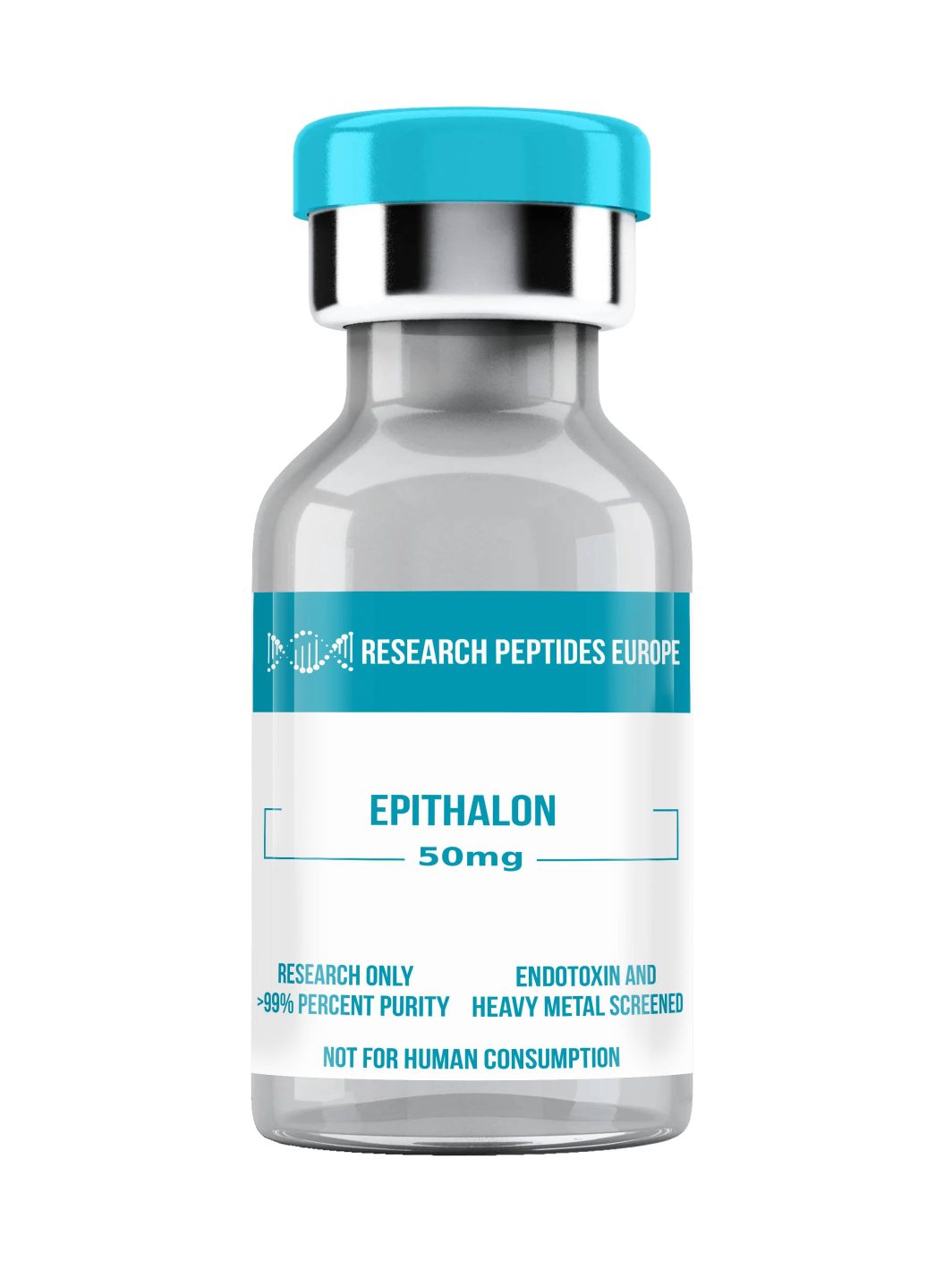
Epithalon 50mg

134.99 €

Epithalon 50mg

Epithalon 50mg, also known as Epitalon or Epithalone, is a synthetic peptide composed of four amino acids: alanine, glutamic acid, aspartic acid, and glycine. This peptide is designed to mimic epithalamin, a natural compound produced by the pineal gland. Epithalon has attracted significant interest in scientific research for its potential anti-ageing properties and its ability to influence various physiological processes.

One of the most intriguing aspects of Epithalon is its potential impact on telomeres, the protective caps at the ends of chromosomes that shorten as we age. Telomere shortening is associated with cellular ageing and various age-related diseases. Epithalon has shown the ability to activate telomerase, an enzyme that helps maintain or extend telomere length. By doing so, Epithalon may slow down the ageing process at the cellular level, offering a potential avenue for promoting longevity.

In addition to its anti-ageing potential, studies have investigated Epithalon’s effects on the immune system, hormone regulation, and stress response. It has been suggested that Epithalon might enhance immune function, modulate the release of certain hormones, and help the body manage stress more effectively. However, further research is needed to fully understand the mechanisms behind these effects and to explore Epithalon’s potential therapeutic applications.

Epithalon is a synthetic analogue of the polypeptide Epithalamin, which has demonstrated the potential to increase lifespan in animal studies involving rats and mice. In human studies, patients treated with Epithalamin experienced a 1.6 to 1.8-fold decrease in mortality compared to control groups, suggesting potential benefits for human health and longevity.

Epithalon was first discovered in Russia during the 1980s by Professor Vladimir Khavinson. Initially, epithalamin was extracted from bovine pineal glands, but the challenges of obtaining large quantities of the natural polypeptide led to the development of a synthetic version, making it more accessible for research and potential therapeutic use.

Ongoing research continues to investigate the broader implications of Epithalon in the field of regenerative medicine and ageing, as scientists seek to uncover its full potential in promoting healthy ageing and extending lifespan.

Research shows that Epithalon reproduces the effects of Epithalamin. In particular, Epithalon prolongs the lifespan of mice and fruit flies. This synthetic peptide also restores the circadian rhythms of melatonin and cortisol production in old rhesus monkeys.

https://pubmed.ncbi.nlm.nih.gov/12374906/

Epithalon (Epitalon) 
CAS Number 307297-39-8
Molar Mass 90.349 g/mol
Molecular  Formula C14H22N4O9
Sequence  Ala-Glu-Asp-Gly


Important Reminder:
Before reconstitution, ensure both the peptide and bacteriostatic mixing water are at room temperature to support proper dissolution and avoid destabilising the compound.
Bacteriostatic mixing water sold separately.

Disclaimer:

All products featured on this site are intended solely for research purposes and are not for human or animal consumption under any circumstances. These items should not be classified as drugs, foods, cosmetics, or medicinal products. By purchasing, the buyer assumes all associated risks and agrees to handle the products only as specified. Products should be administered by qualified professionals with the relevant expertise.

The distributor, manufacturer, and seller bear no responsibility for any misuse or subsequent outcomes arising from the use of these products. By completing and paying for your order, you agree to our Όροι και Προϋποθέσεις and acknowledge that you will abide by these terms.

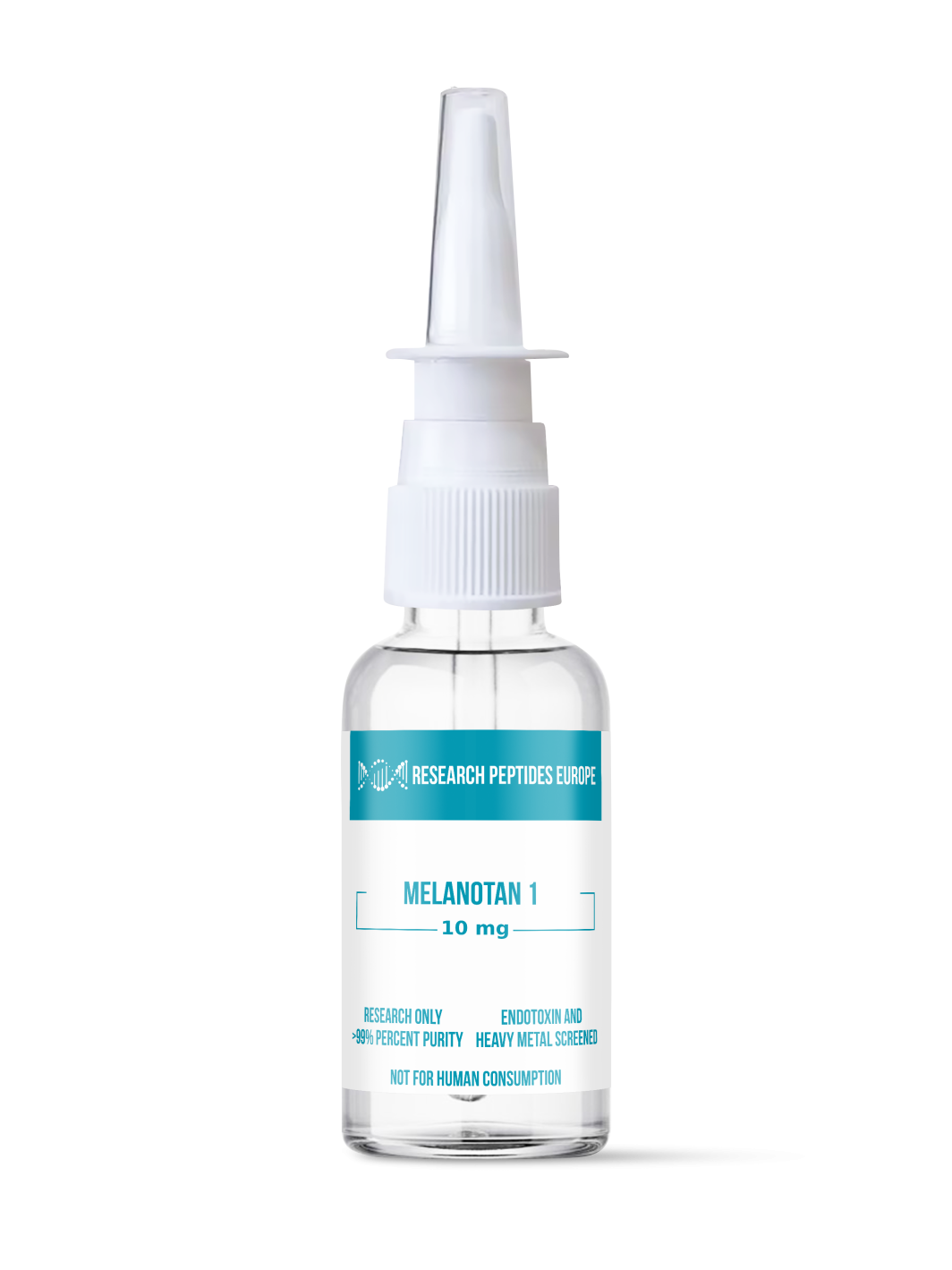
Ρινικό σπρέι Melanotan 1 10mg

44.99 €

Melanotan 1 Nasal Spray

Each nasal spray comes complete with everything you need for immediate use, including a glass nasal sprayer and sterile bacteriostatic water to reconstitute the lyophilised peptide and keep it fresh for your research. Once reconstituted, the solution should be stored refrigerated and is typically suitable for research use for up to 30 days.

If you are making multiple purchases, you may not need a spray bottle with every vial. In this case, please feel free to contact us at

info@researchpeptideseurope.com
, and we will be glad to assist you.

Melanotan 1 

Melanotan I (also known in research literature as afamelanotide) is a synthetic peptide studied for its high selectivity toward melanocortin-1 (MC1R) receptors, making it of interest in research related to melanin synthesis, pigmentation pathways, and melanocyte activation.

Within controlled laboratory settings, Melanotan I is examined for its role in melanogenesis regulation and receptor-specific binding behaviour. Its structure is associated with more targeted melanocortin activity compared with Melanotan II, making it valuable for comparative peptide research.

Supplied as a lyophilised powder to ensure stability and precise handling in research environments.

Melanotan  1
CAS Number

75921-69-6

Molar Mass 1,026.22 g/mol
Molecular Formula C50H69N15O9
Sequence Ac-Nle-Asp-His-D-Phe-Arg-Trp-Lys-Pro-Val-Gln-NH2

Disclaimer:

All products featured on this site are intended solely for research purposes and are not for human or animal consumption under any circumstances. These items should not be classified as drugs, foods, cosmetics, or medicinal products. By purchasing, the buyer assumes all associated risks and agrees to handle the products only as specified. Products should be administered by qualified professionals with the relevant expertise.

The distributor, manufacturer, and seller bear no responsibility for any misuse or subsequent outcomes arising from the use of these products. By completing and paying for your order, you agree to our Όροι και Προϋποθέσεις and acknowledge that you will abide by these terms.

By completing your order, you confirm that:
• You are over 18
• You understand and accept our Terms & Conditions
• You agree to handle all products in compliance with all applicable laws and safety standards.
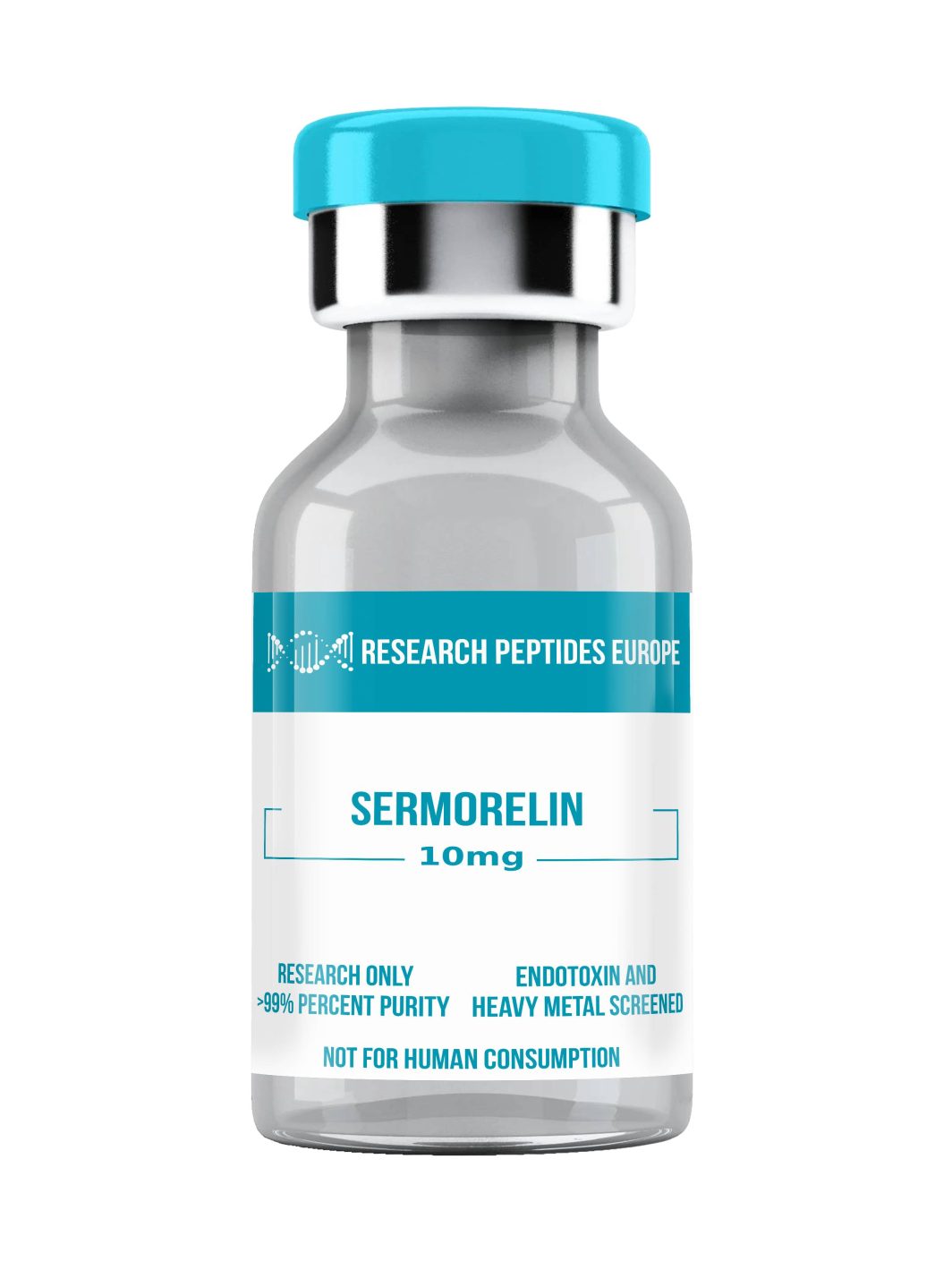
Sermorelin Acetate 10mg

69.99 €

Sermorelin Acetate 10mg


For research use only. Not for human or animal consumption.


Sermorelin Acetate – Research peptide

Sermorelin Acetate is a synthetic peptide commonly studied in laboratory environments focused on peptide signalling systems, molecular communication pathways, and regulatory peptide interactions.

This preparation contains:

  • 10mg Sermorelin Acetate

Supplied as a high-purity lyophilised peptide, Sermorelin is frequently referenced in controlled research settings examining peptide-mediated signalling behaviour and receptor interaction dynamics.

The lyophilised format supports peptide stability and allows controlled laboratory reconstitution for analytical and experimental applications.


Product Highlights

  • 10mg high-purity Sermorelin Acetate
  • Lyophilised research peptide formulation
  • Batch-tested for quality and consistency
  • Frequently studied in peptide signalling research
  • Suitable for controlled laboratory applications
  • COA-supported research material

Research Overview

Within experimental laboratory environments, Sermorelin is commonly investigated for its interaction with:

  • peptide signalling pathways
  • Molecular communication systems
  • Regulatory peptide networks
  • Intracellular signalling dynamics
  • Receptor interaction models
  • Comparative peptide pathway analysis

Researchers frequently utilize Sermorelin in experimental models focused on peptide-mediated signalling mechanisms and molecular regulatory behaviour.


Compound Information

Sermorelin is a synthetic peptide developed for biochemical and molecular research applications. Due to its defined molecular structure and stable analytical profile, it is widely referenced in controlled laboratory investigations involving peptide signalling systems and intracellular communication pathways.

Its standardized peptide profile makes it suitable for analytical peptide research and comparative molecular studies.


Purity & Quality

Each batch undergoes analytical verification to confirm:

  • Compound identity
  • peptide purity
  • Batch consistency
  • Sterility standards
  • Endotoxin control
  • Research-grade quality assurance

Independent testing supports traceability and consistency across production batches.

COA documentation is available where applicable.


Storage & Handling

  • Supplied as a lyophilised powder
  • Store refrigerated at 2–8°C after reconstitution
  • Intended for qualified laboratory handling only
  • Reconstitute using appropriate laboratory-grade solution

Package Contents

  • 1 × Research vial containing:
    • 10mg Sermorelin Acetate

Important Disclaimer

This product is intended strictly for laboratory and scientific research purposes only.

  • Not for human consumption
  • Not for medical or veterinary use
  • Not intended to diagnose, treat, research, or prevent disease
  • Purchase only if qualified to handle compounds